
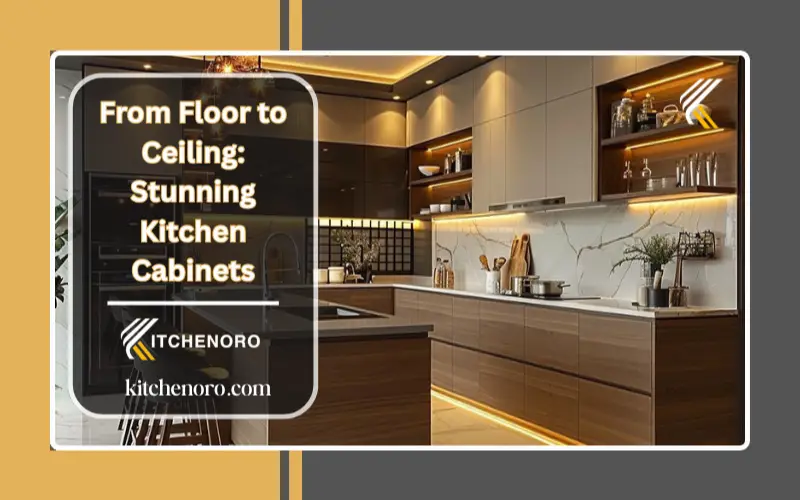
As a specialist in design, I’ve seen how tall units reaching the ceiling can transform a kitchen. These cabinets are sleek, elegant, and stylish, offering a smart solution to storage dilemmas. In modern homes, this trend improves aesthetics, functionality, and makes the most of space. Even a small update or remodel can bring stunning benefits, turning planning an overhaul into an exciting choice rather than a storm.
From traditional kitchens to modern ones, new manufacturers now provide a variety of heights in wall cabinetry, making adoption easier. While proponents highlight the advantages and inspiring examples, critics point out cons and disadvantages. With the right guide, tips, and considerations, every client can stay informed, weigh the pros, and enjoy the potential of this growing trend that continues to reshape the interior world.
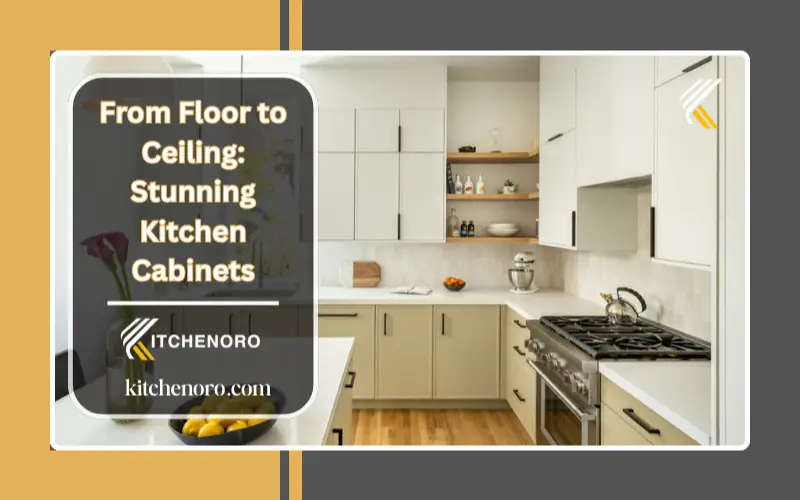
From Floor to Ceiling: Stunning Kitchen Cabinets-The Answer:
Floor-to-ceiling kitchen cabinets create a sleek, modern design by maximizing vertical storage and eliminating wasted space. They provide a cohesive look, improve organization, and increase home value. While they cost more and require planning for accessibility, smart layouts make them both stylish and practical.
The Value of Floor to Ceiling Cabinets
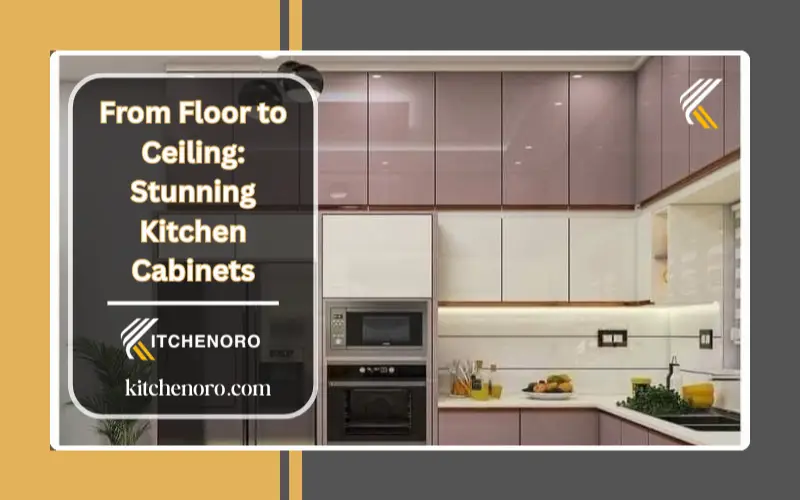
From my experience, full-height kitchen cabinets are a game-changer. Extending cabinetry to the ceiling allows homeowners to utilize every inch of available space. This means more room for cookware, pantry goods, small appliances, and seasonal items.
Beyond storage, these cabinets create a clean, uninterrupted visual line. This minimalist aesthetic elevates the entire kitchen, making it look professionally designed and luxurious. The result is a space that feels organized, modern, and welcoming—the true heart of the home.
Creative Design Choices
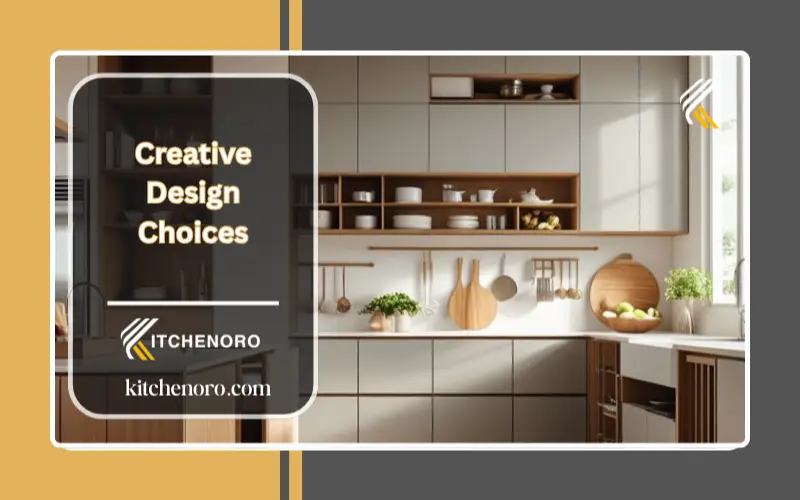
1) Appearance & Personality
Floor-to-ceiling cabinets define the kitchen’s character. They:
-
Create an illusion of height
-
Make rooms feel more spacious
-
Deliver a sleek, high-end appearance
-
Can be styled to avoid a heavy or boxed-in look
2) Materials & Finishes
Popular choices include:
-
Natural wood for warmth
-
High-gloss laminates for light reflection
-
Soft matte textures for modern elegance
-
Glass doors for display
Lighter shades visually expand small kitchens, while dark tones add drama and luxury.
3) Layout & Function
-
Galley kitchens: One wall of tall cabinets for efficient storage
-
Open layouts: Use cabinets as a design backdrop
-
Smart storage: Pull-out pantries, appliance garages, vertical dividers
4) Lighting & Accessibility
-
Interior LED lighting
-
Rolling ladders or pull-down shelving systems
These features keep tall cabinets accessible and visually stunning.
Maximising Storage with Floor-to-Ceiling Cabinets
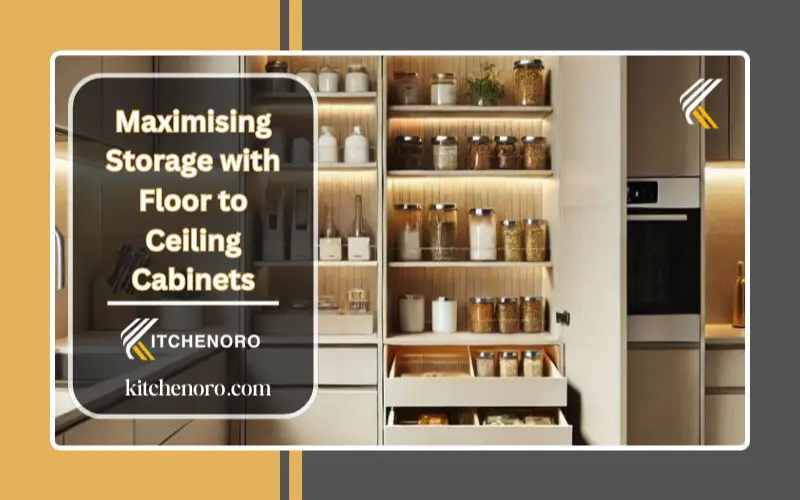
Smart Space Usage
Traditional cabinets leave unused space above. Ceiling-height cabinets eliminate this waste by:
-
Adding upper shelving
-
Storing bulk groceries
-
Housing rarely used appliances
Functional Layouts
Modern organizers include:
-
Rotating trays
-
Adjustable compartments
Everything gets its own place—from spices to mixers.
Design Possibilities
-
Minimalist: Handleless white cabinets + marble
-
Rustic: Warm wood with distressed finishes
-
Classic: Shaker cabinets + glass fronts
-
Bold: Navy cabinetry + gold hardware
-
Mixed materials: Wood lowers + white uppers
Personal Touch
An Arctic white kitchen with gold pulls reaching the ceiling creates elegance while visually expanding the room.
Benefits of Floor-to-Ceiling Kitchen Cabinets
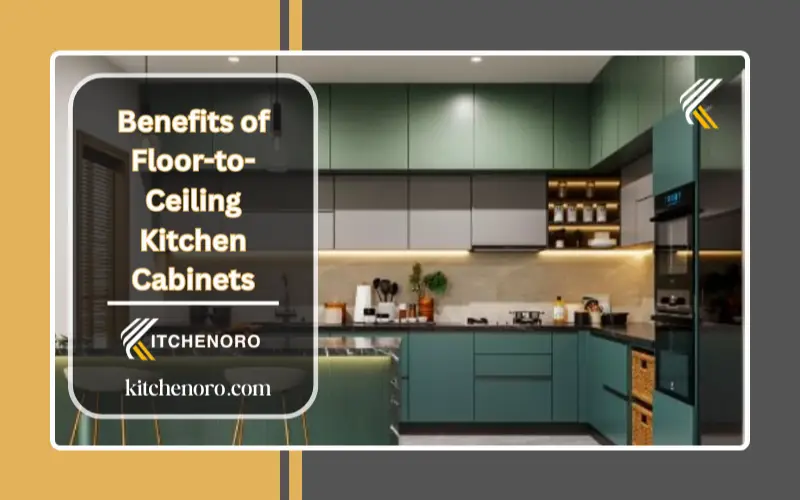
1) Maximum Storage
-
Uses every inch
-
Keeps counters clutter-free
-
Perfect for seasonal items
-
Adds resale value
2) Sleek, Modern Look
-
Seamless design
-
Works with all styles
-
Customizable layouts
3) Cohesive Visual Impact
-
Makes rooms feel larger
-
Creates balance
-
Highlights backsplash and lighting
4) Practical Advantages
-
Prevents dust buildup
-
Easier cleaning
-
Better hygiene
-
Durable installation
5) Decorative Display
-
Glass cabinets showcase décor
-
LED lighting enhances display
-
Turns storage into art
Drawbacks to Consider
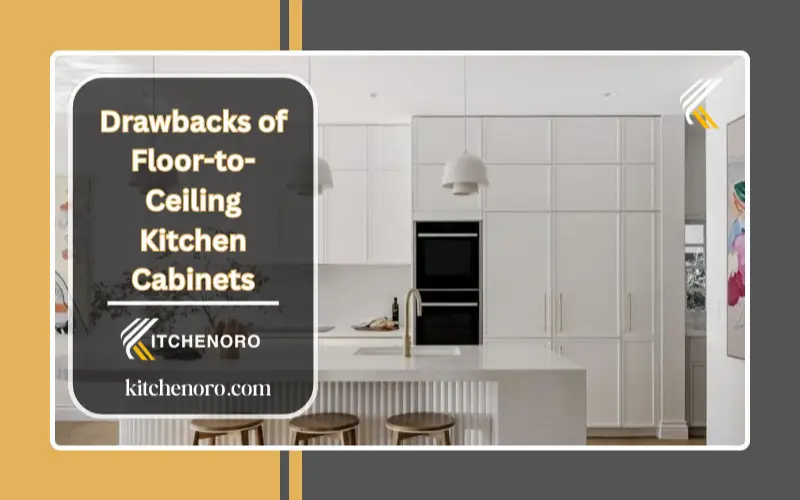
While stunning, full-height cabinets have challenges:
-
Higher cost
-
Hard-to-reach top shelves
-
Can feel overwhelming in small rooms
-
Not ideal for sloped ceilings
-
Requires expert design to avoid boxy look
Good planning solves most of these issues.
Key Things to Remember Before Going Full-Height
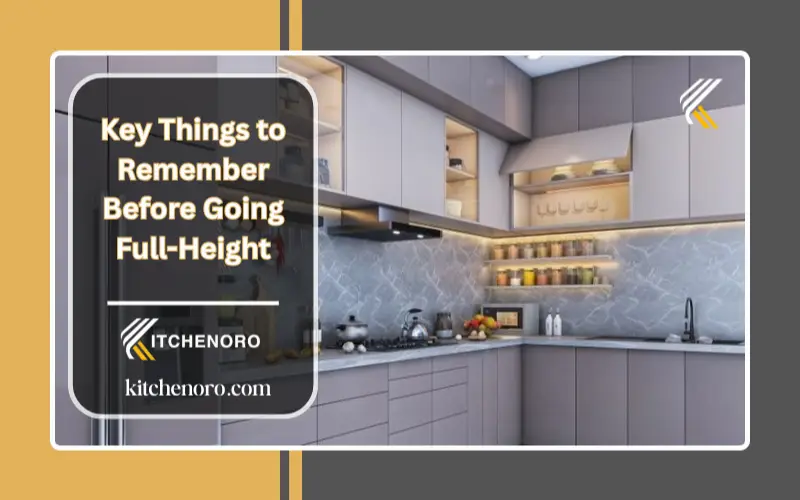
Ceiling Height
-
Works best with 8–9 ft ceilings
-
Custom sizing may be required
-
Very high ceilings need design balance
Cost Considerations
-
More materials = higher cost
-
Custom work increases price
-
Adds long-term property value
Design Balance
-
Avoid dark overload
-
Ensure natural light
-
Proper appliance placement
Functionality
-
Step stools
-
Pull-down racks
-
Smart larder units
-
Hidden storage systems
Cost of Floor-to-Ceiling Cabinets
| Type | Price Range |
|---|---|
| Stock | $3,000 – $7,000 |
| Semi-custom | $7,000 – $15,000 |
| Bespoke | $15,000 – $30,000+ |
Additional costs include:
-
Installation
-
Crown molding
-
Interior organizers
-
Premium finishes
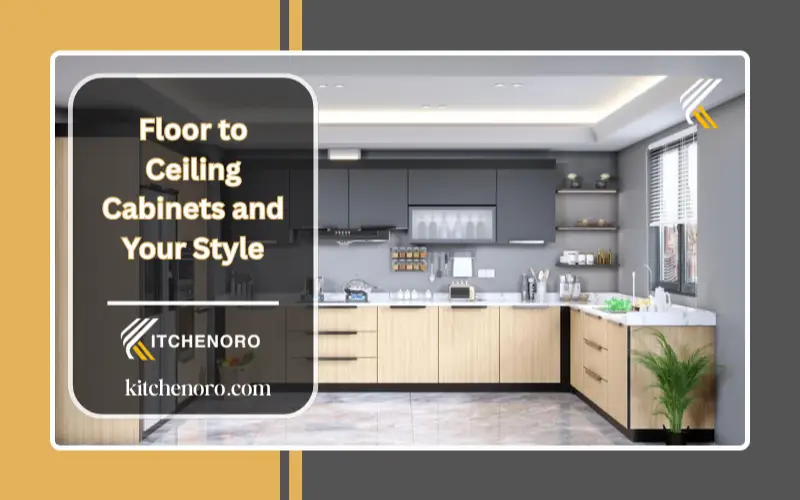
Best Materials
-
Solid wood
-
MDF
-
Plywood
-
Laminate
-
Thermofoil
Each offers unique durability and style.
Installation Tips
-
Measure the ceiling precisely
-
Use filler panels
-
Secure to wall studs
-
Add crown molding
-
Vent appliances properly
Professional installation ensures perfect alignment.
Real Project Example
In a recent Kitchenoro project, we installed matte white floor-to-ceiling cabinets in a compact apartment. Storage increased by 35%, and hidden pantry pull-outs transformed functionality while keeping the space modern and clutter-free.
Floor to Ceiling vs Standard Cabinets
| Feature | Full Height | Standard |
|---|---|---|
| Storage | Maximum | Limited |
| Look | Seamless | Traditional |
| Cleaning | Easy | Dust traps |
| Cost | Higher | Lower |
| Access | Stool needed | Easy |
Maintenance Made Easy
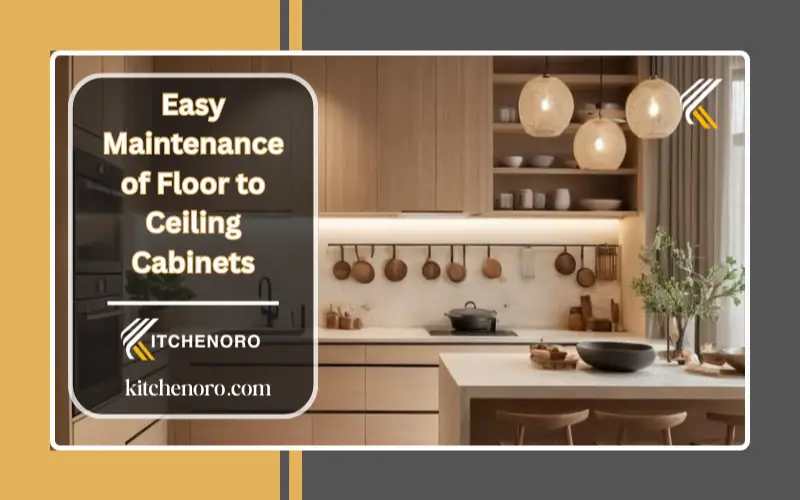
These cabinets are:
-
Easy to wipe
-
Less dust-prone
-
Built with durable finishes
-
Stain resistant
A damp cloth keeps them spotless.
Explore More:
FAQs
Q 1: Should kitchen cabinets go to the ceiling?
From my experience, Kitchen cabinets up to the ceiling are a smart way to maximize storage and make the most of limited space. By using the entire height of the room, you take advantage of underutilized areas, which is especially beneficial for smaller kitchens. It adds valuable function without sacrificing floor area, making the square footage feel bigger even though it’s often overlooked.
Q 2: What are Cabinets to Ceiling Called?
In a kitchen, the soffit above cabinets is often a bulky, box-shaped section of walls built to connect the units to the ceiling. Extending cabinets up removes that gap and gives the space a clean, seamless look.
Q 3: How much gap between cabinet and ceiling?
It’s important to mention that the vast majority of houses built in the last 50 years have kitchen cabinets installed at 30 or 36 inches, leaving a 12 inch gap at the top near the ceiling. These dimensions keep the contents easily accessible for most of us.
Q 4: Do kitchen cabinets that go to the ceiling make the room look bigger?
Actually, taller cabinets that reach the ceiling create a smooth visual line, much like high draperies that make ceilings appear taller. A row of standard 30” upper cabinets with a gap forms horizontal blocks that make the ceiling appear lower, while full-height cabinets draw the eye up and open the space.
Conclusion
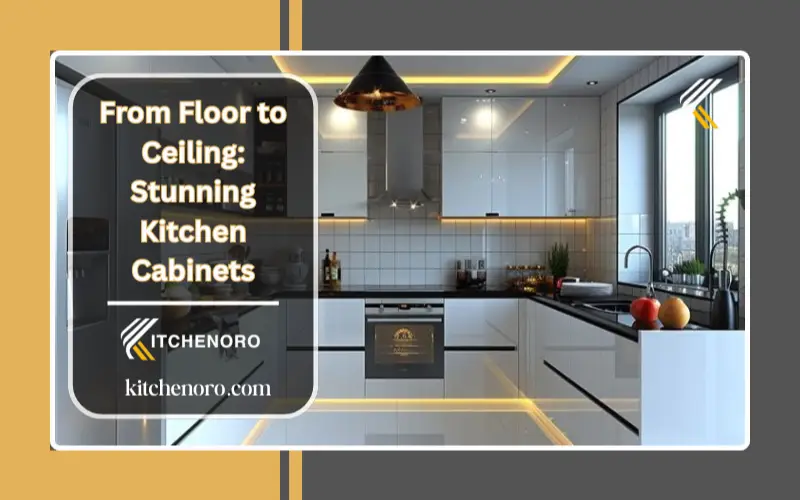
Floor-to-ceiling kitchen cabinets combine beauty, storage, and modern elegance. They remove wasted space, enhance design, and increase home value. While they cost more and require smart planning, the benefits far outweigh the challenges.
With the right materials, layout, and professional installation, these cabinets become a statement feature that transforms your kitchen into a luxurious and functional space.
About Kitchenoro
Kitchenoro is your trusted partner for complete kitchen remodeling, renovation, and elegant design. We specialize in premium cabinet installation, countertops, and transforming kitchens into luxurious, functional spaces. With expert craftsmanship and tailored solutions, Kitchenoro turns your vision into reality. Contact us to elevate your kitchen’s style and functionality!